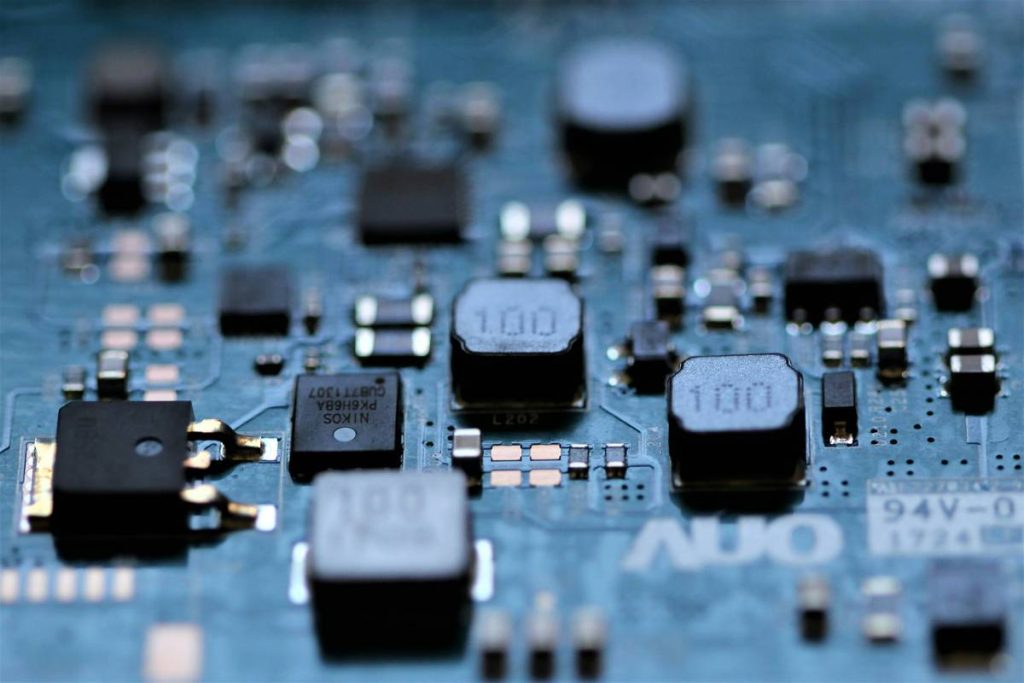
Ever watched your “Hello, World!” blink on an LED—and felt like you’d cracked open the universe? I did. Until my first real embedded project crashed a $200 development board because I hardcoded a delay without checking the oscillator frequency. No compiler error. No warning. Just silence—and smoke. That’s how I learned: introduction to embedded systems isn’t theoretical prep. It’s hands-on humility.
This guide cuts through academic fluff and vendor hype. You’re here because you want clarity—not confusion—on why embedded systems matter in online education for programmers, how to start right (and avoid my rookie blunder), and what truly moves the needle when learning outside a university lab. We’ll unpack fundamentals, demystify toolchains, spotlight real-world pitfalls, and end with one actionable path forward.
Table of Contents
- Why ‘Introduction to Embedded Systems’ Is the Missing Core Skill in Online Programming Education
- How to Build Your First Embedded Project—Step by Step
- 5 Hard-Won Best Practices (Not Tips)
- From Student to Contributor: How One Learner Wrote Firmware for a Real Medical Sensor
- FAQs: Embedded Systems Learning, Explained Honestly
Why ‘Introduction to Embedded Systems’ Is the Missing Core Skill in Online Programming Education
Most online coding bootcamps teach web frameworks—but skip the layer where code talks directly to silicon. That gap matters. According to the National Science Foundation (2023), demand for embedded firmware roles grew 27% faster than software engineering jobs overall—and over 80% of those hires came from self-taught or bootcamp-trained candidates who invested in hands-on, low-level practice.
The problem? “Introduction to embedded systems” content is either too shallow (“just use Arduino!”) or too dense (“here’s the ARM Cortex-M4 reference manual”). Neither builds transferable intuition. Worse, many courses neglect *why* concurrency matters on a 32MHz MCU—or how a missing memory barrier can corrupt sensor readings mid-flight.
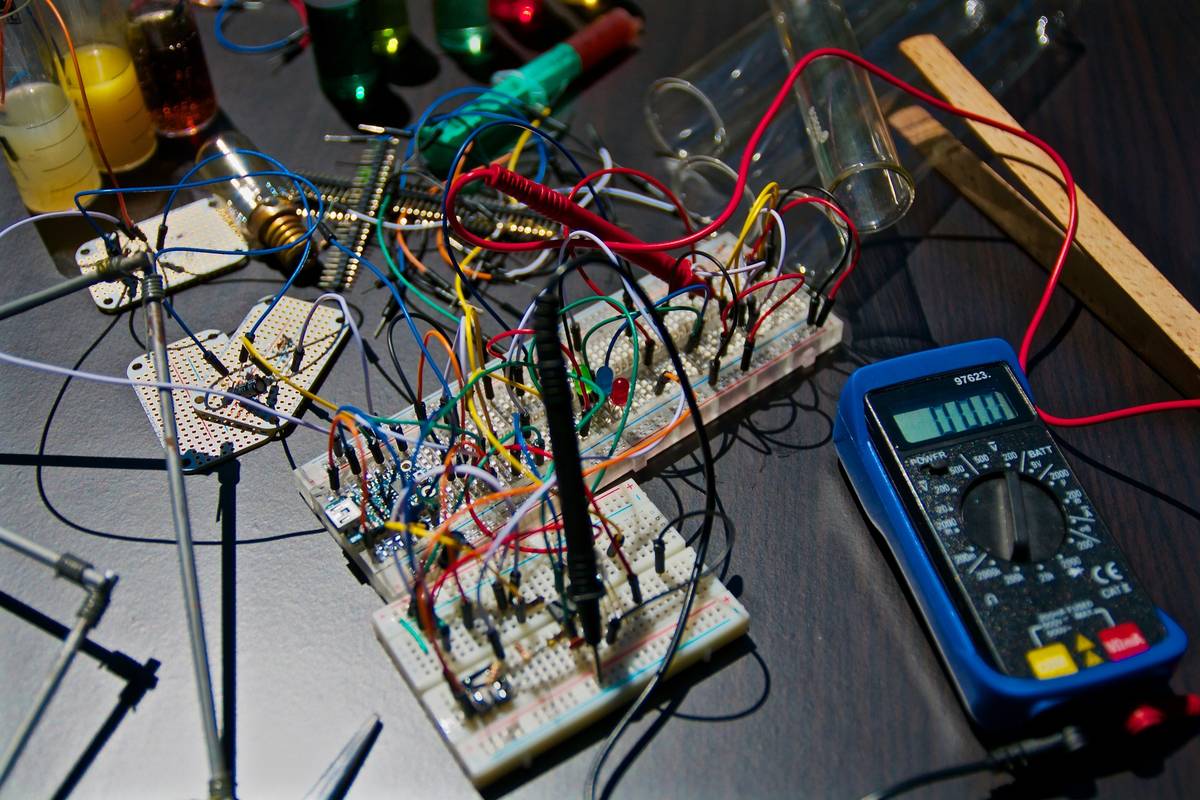
That’s not abstraction—it’s avoidance. And it leaves learners unprepared for real-time constraints, power budgets, or hardware-debugging sessions that happen at 2 a.m. before a capstone demo.
How to Build Your First Embedded Project—Step by Step
1. Pick a Dev Board That Teaches, Not Hides
Start with ST’s Nucleo-64 series (e.g., NUCLEO-F411RE). Why? It exposes all pins, ships with debug probes built-in, and supports both HAL libraries (for beginners) and bare-metal register access (for growth). Skip ESP32-based kits *first*—Wi-Fi adds noise before you’ve grasped clock trees.
2. Flash Your First LED—Without Arduino
Write a minimal C program using STM32CubeIDE. Don’t copy-paste the example. Manually configure RCC (Reset & Clock Control), GPIO, and toggle PA5. Time it: if your loop runs slower than expected, dig into SysTick configuration—not Stack Overflow.
3. Add a Button—and Learn Debouncing the Hard Way
Connect a mechanical button to PC13. Observe bounce in your logic analyzer (or even an oscilloscope app). Then implement software debounce: wait 20ms before reading again. This isn’t trivia—it’s your first lesson in real-time responsiveness.
4. Integrate a Sensor (I²C) With Interrupt-Driven Readings
Add an LSM303AGR accelerometer. Instead of polling, configure its INT1 pin to trigger a GPIO interrupt—then read values in the ISR. Yes, it’s harder. But now you’re thinking about latency, priority, and atomicity. That’s introduction to embedded systems that sticks.
5 Hard-Won Best Practices (Not Tips)
- Always measure current draw early—even on dev boards. A blinking LED should draw <3mA, not 30mA. Use a multimeter in series. If idle current exceeds spec, you’ve left peripherals enabled or misconfigured sleep modes.
- Never trust a datasheet’s “typical” value for timing-critical paths. Check min/max ranges—and test worst-case conditions (low Vcc, high temp) in simulation or hardware.
- Comment every volatile declaration. Write why the variable is volatile—not just that it is. Example:
// volatile: modified by EXTI interrupt handler. - Use linker scripts to enforce stack/heap limits. Most online courses ignore this. But if your heap overruns into .bss, your global variables mutate silently. Catch it early.
- Log via semihosting only during initial bring-up. Replace it with UART+ring buffers before day three. Semihosting halts execution—destroying real-time behavior.
From Student to Contributor: How One Learner Wrote Firmware for a Real Medical Sensor
Anuj, a self-taught developer from Bangalore, took our Embedded Foundations Micropath while juggling freelance React work. His goal? Understand how biosensors communicate reliably over CAN bus in battery-constrained devices. Within 14 weeks, he ported open-source CANopen stack (from GitHub) to a custom STM32H7 board—adding watchdog-triggered firmware recovery and dynamic CAN bitrate switching. His PR was merged into CANopenNode, cited in their changelog. He didn’t need a degree—he needed precision, patience, and a proper introduction to embedded systems.
FAQs: Embedded Systems Learning, Explained Honestly
What’s the absolute minimum hardware I need for an introduction to embedded systems?
A $20 STM32 Nucleo board, a USB-C cable, and a laptop. No oscilloscopes, logic analyzers, or soldering irons required—for the first month. Those tools become essential later—but they shouldn’t block your first “blink an LED” moment.
Is C++ used in embedded systems—or is C still king?
C dominates critical layers (bootloaders, RTOS kernels, drivers). Modern C++ (C++17/20) is rising in application layers—especially for safety-critical code using RAII, constexpr, and no-exceptions mode. But avoid STL containers on MCUs under 512KB RAM. Always prioritize deterministic timing over convenience.
Can I learn embedded systems without electronics knowledge?
You can start—but won’t progress far. Basic Ohm’s Law, pull-up/pull-down understanding, and signal integrity awareness are non-negotiable beyond week two. We recommend free MIT Circuits & Electronics (OCW) alongside your firmware work.
What’s the worst advice you see in embedded tutorials?
“Just use PlatformIO.” Terrible tip. PlatformIO abstracts away initialization, memory layout, and toolchain selection—making it impossible to debug startup faults. Use it *after* you’ve written your own linker script and startup assembly. Not before.
How long does it take to go from zero to job-ready in embedded firmware?
Realistically: 6–9 months of deliberate practice (2–3 hrs/day), building 4–6 increasingly complex projects (LED → sensors → wireless comms → OTA updates). Consistency beats intensity—every time.
Let’s be real: learning embedded systems is less about memorizing registers and more about cultivating respect—for electrons, deadlines, and the engineers who designed the chip you’re trying to tame. Whether you’re refreshing fundamentals or diving in fresh, what matters is starting *now*, with real silicon in hand.
If you’re ready to build your first production-grade firmware module—and get expert feedback before your next interview—we’re here to help. Reach out for our free embedded readiness checklist and personalized roadmap. And always remember: your first blink isn’t magic. It’s just the first byte of truth.
Avoid abstraction until you’ve counted cycles. Respect voltage before syntax. Debug the silicon—not just the source.